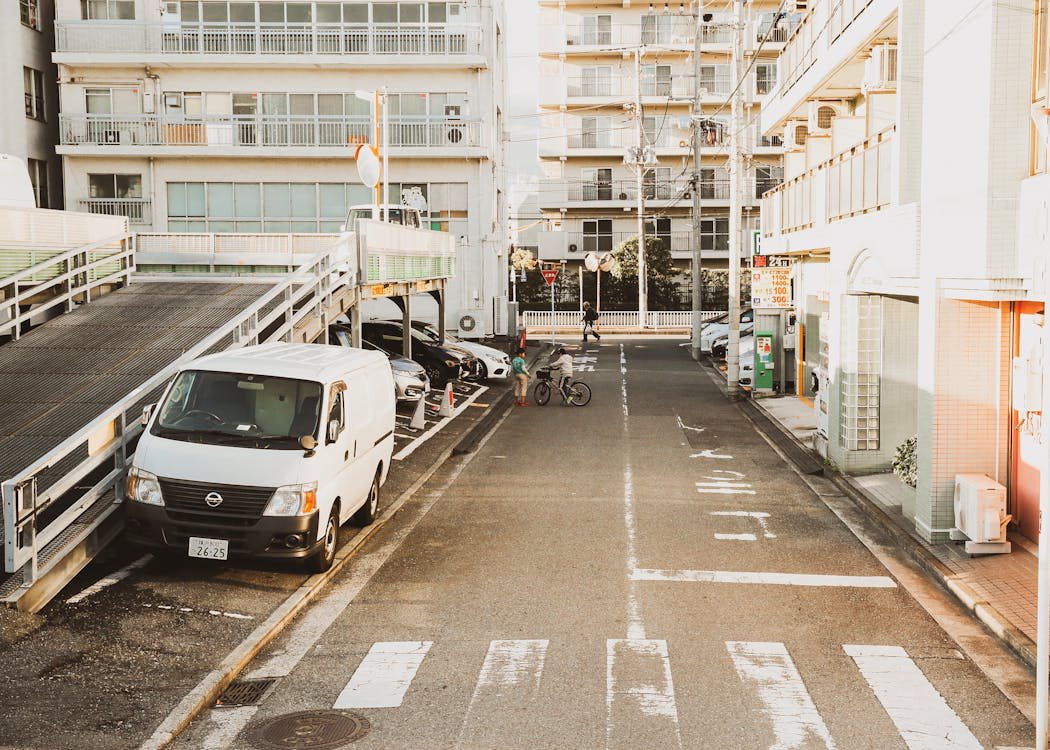
When it comes to marking roads and parking lots, durability and visibility are non-negotiable. Thermoplastic striping has become the go-to solution, meeting the rigorous standards set by Departments of Transportation (DOT) while offering longevity, safety, and cost-effectiveness. But what makes it so reliable? Let’s dive deep into this advanced road-marking technology.
What is Thermoplastic Striping?
Thermoplastic striping is a road-marking technique that uses a specialized plastic-based material that turns into a liquid when heated and solidifies upon cooling, bonding firmly to the pavement. Unlike traditional paint, thermoplastics contain:
- Synthetic resins – for enhanced adhesion.
- Glass beads – for increased reflectivity and night-time visibility.
- Fillers and pigments – ensuring vibrant, long-lasting colors.
How Does It Work?
The process involves heating the thermoplastic powder to around 392°F (200°C) until it reaches a liquid state. It is then poured or sprayed onto the pavement, where it quickly cools and hardens, forming a highly durable and weather-resistant road marking.
Why is Thermoplastic Striping More Durable?
Compared to traditional paint that fades within 6-12 months, thermoplastic striping can last 3-5 years or more. Here’s why:
1. Strong Adhesion to Asphalt and Concrete
Thermoplastic striping chemically bonds to the pavement, creating a durable, wear-resistant layer that can withstand constant vehicle traffic.

2. Heat & Weather Resistance
Unlike standard paints that crack under extreme temperatures, thermoplastic markings are resistant to UV exposure, heat, and heavy rain—ensuring that markings remain visible and intact in harsh conditions.
3. Reflective & Visible at Night
The embedded glass beads provide retroreflectivity, ensuring that markings are highly visible both day and night. This feature enhances driver safety, especially in low-light conditions.
4. Resistant to Oil & Chemicals
Traditional painted lines fade quickly due to exposure to gasoline, oil, and road chemicals, whereas thermoplastic markings maintain their brightness and structure even in high-traffic areas.
How Thermoplastic Striping Meets DOT Standards
For road markings to be legally compliant, they must adhere to DOT regulations, which specify:
- Minimum thickness: 0.10-0.15 inches (to ensure longevity).
- Skid resistance: To prevent slipperiness for vehicles and pedestrians.
- Reflectivity: For visibility in different lighting conditions.
- Durability: Expected to last for several years before requiring maintenance.
In states like Florida, thermoplastic striping is the preferred choice for municipal and commercial road markings due to its ability to meet and exceed DOT standards.
Applications of Thermoplastic Striping
While highways may be the first thing that comes to mind, thermoplastic striping is used in a variety of settings, including:
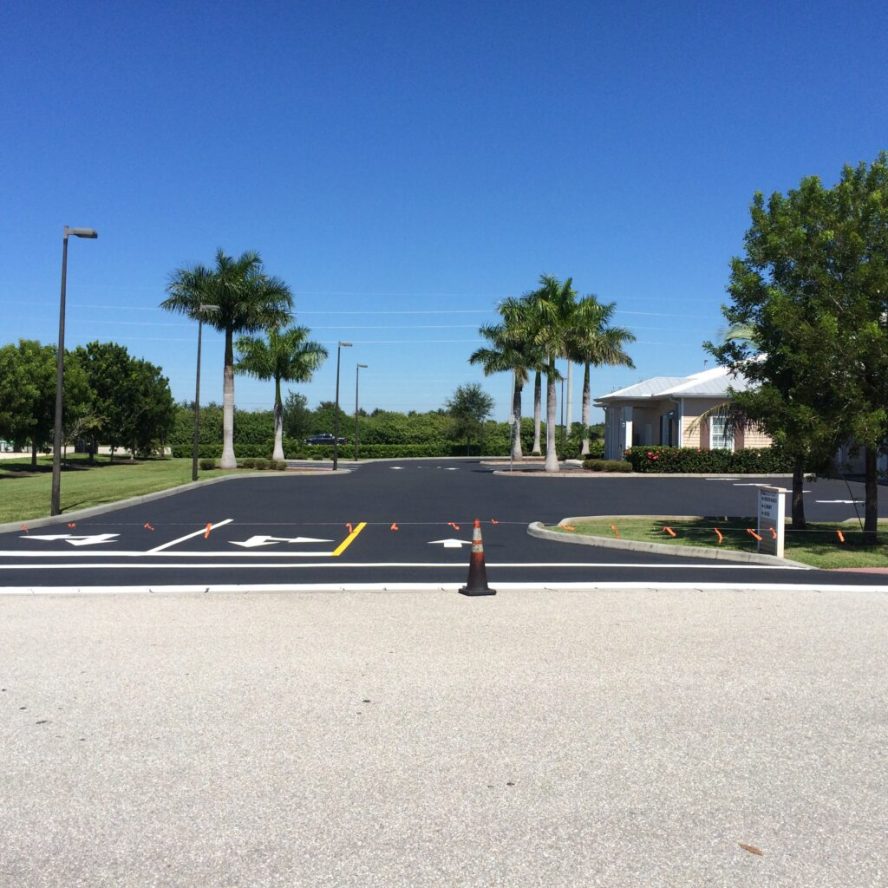
1. Parking Lots
Proper striping maximizes parking capacity, organizes traffic flow, and enhances safety for both drivers and pedestrians.
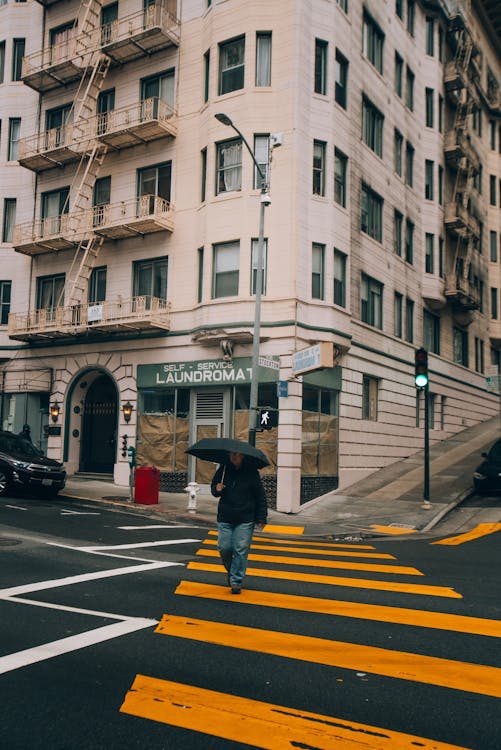
2. Crosswalks & Pedestrian Areas
Pedestrian safety is paramount, and thermoplastic crosswalks ensure high visibility, even in poor weather conditions.
3. Bike Lanes
With the rise in cycling infrastructure, bike lane markings need to be highly visible and durable—making thermoplastics the perfect fit.
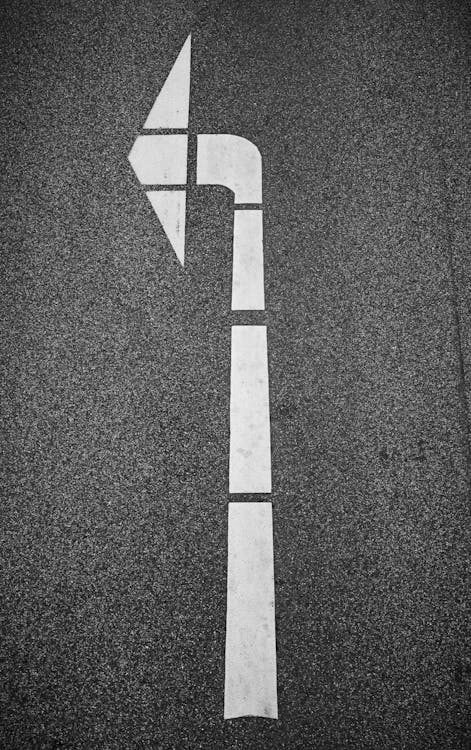
4. Road Arrows & Symbols
Thermoplastic allows for the creation of custom symbols, turn arrows, stop lines, and bus lane markings, ensuring clear navigation.
Cost-Effectiveness: Why Thermoplastics Save Money
While thermoplastic striping costs more upfront than traditional paint, it saves money in the long run because:
- Fewer repaints are needed (lasting up to 5x longer).
- Reduced maintenance costs—less frequent road closures and labor.
- Less disruption for businesses and municipalities.
- Better safety lowers accident risks and potential liability costs.
For businesses managing parking lots and roadways, choosing thermoplastic striping means a smarter investment with long-term benefits.
Eco-Friendly Benefits of Thermoplastic Striping
Unlike traditional solvent-based paints that release VOCs (volatile organic compounds), thermoplastics are solvent-free. This means:
No harmful fumes released into the atmosphere.
Non-toxic application process.
More sustainable pavement marking solution.
By choosing thermoplastic striping, businesses and municipalities are making an environmentally conscious choice while improving roadway safety and durability.
Advanced Customization Options
Thermoplastic striping isn’t just about straight white and yellow lines—it offers advanced customization that businesses and municipalities can leverage for branding and improved traffic flow.
- Custom Logos & Branding: Shopping malls, corporate parking lots, and airports can integrate company logos, symbols, or special markings.
- Multiple Color Options: Available in white, yellow, red, blue, and green, allowing for differentiation of bike lanes, handicap spaces, fire lanes, and directional markings.
- Stencils for Precision: Unlike traditional road paint, thermoplastics allow for intricate stencil work, ensuring crisp, professional-grade markings.
Rapid Application & Faster Curing Time
Time is money, and thermoplastic striping has the advantage of a quick application with minimal disruption.
- Dries in Minutes: Unlike regular traffic paint that takes hours to dry, thermoplastic hardens within minutes, reducing downtime and traffic obstruction.
- Minimizes Business Disruptions: For commercial areas like shopping centers and office complexes, a fast-curing material means businesses resume operations quickly after striping projects.
- Ideal for High-Traffic Areas: Airports, hospitals, and highways require markings that can handle immediate traffic flow—thermoplastic is the best choice for these high-demand environments.
Skid Resistance for Added Safety
Slip-and-slide incidents don’t just happen on icy roads—worn-out pavement markings can be hazardous, too.
- Anti-Slip Surface: Thermoplastic markings can be formulated with added skid-resistant compounds, reducing accidents in wet or high-speed zones.
- Essential for Pedestrian Safety: Crosswalks and bike lanes get an extra grip, making it safer for pedestrians and cyclists in rainy or snowy conditions.
- Prevents Vehicle Hydroplaning: On highways, anti-slip markings help tires maintain traction, preventing dangerous skidding situations.
Conclusion
Thermoplastic striping is the future of pavement markings, offering unmatched durability, visibility, and compliance with DOT standards. Whether you’re a business owner, municipality, or asphalt contractor, investing in high-quality thermoplastic striping ensures safe, long-lasting, and cost-effective road and parking lot markings.
Enhance Your Curb Appeal with Asphalt Sealers Inc.
At Asphalt Sealers Inc., we’re an agile, quality-focused pavement maintenance company you can trust. Our expertise in parking lot striping, thermoplastics, and asphalt repair in North Port ensures your roadways and parking lots leave a lasting first impression. Let us help you deliver cost-saving preventative maintenance and enhanced curb appeal.