What if the lines that guide drivers and pedestrians could stay brighter, clearer, and safer for years instead of months? In busy roadways and commercial parking areas, faded markings are more than an inconvenience—they are a safety risk.
Many roadway incidents are linked to poor visibility and unclear pavement guidance, especially at night or during wet conditions.
That reality puts pressure on property owners and municipalities to choose marking systems that can hold up under constant wear. This is where thermoplastic markings come into focus as a long-term answer.
In this article, we break down what thermoplastic markings are, why they outlast traditional paint, where they are commonly used, and how they continue to improve visibility and safety over time.
What Are Thermoplastic Markings?
Thermoplastic markings are pavement markings made from a blend of resins, binders, glass beads, and pigments. Unlike conventional traffic paint that dries through evaporation, thermoplastic material is heated and applied in a molten state. Once it cools, it hardens and bonds firmly to asphalt or concrete surfaces.
Because of this application method, these markings sit thicker on the pavement surface. That added thickness is one of the primary reasons they perform so well in areas exposed to heavy traffic, frequent braking, and weather changes.
Key characteristics include:
- A solid, durable bond with the pavement
- Increased thickness compared to paint
- Embedded glass beads that enhance reflectivity
- Resistance to wear from tires, water, and sunlight
We often see thermoplastic markings chosen when longevity and visibility matter more than short-term savings.
Why Thermoplastic Markings Last Longer Than Standard Paint
Traditional traffic paint is often selected because of its lower upfront cost. However, frequent reapplication quickly adds up in both expense and downtime. Thermoplastic markings address this issue by lasting several times longer under similar conditions.
1. Stronger Pavement Adhesion
Because thermoplastic is applied hot, it fuses with the pavement surface instead of simply coating it. This reduces peeling, chipping, and premature fading, even in high-traffic lanes.
2. Greater Thickness Means Greater Durability
Paint is typically applied in a thin layer. Thermoplastic markings are much thicker, allowing them to withstand repeated tire friction without wearing away quickly.
3. Built-In Reflectivity That Endures
Glass beads are mixed into the material, not just sprinkled on top. As the surface gradually wears, new beads are exposed, maintaining visibility far longer than painted lines.
4. Weather and Chemical Resistance
Thermoplastic markings are less affected by rain, fuel spills, oil drips, and UV exposure. This makes them a practical option for parking areas, intersections, and roadways where conditions are demanding.
Common Applications for Thermoplastic Markings
Thermoplastic markings are used in a wide range of settings where traffic flow and safety depend on clear visual guidance.
Crosswalks and Pedestrian Zones
Crosswalks experience constant foot traffic and vehicle pressure. Thermoplastic markings remain bold and visible, helping drivers recognize pedestrian crossings well in advance.
Roadway Lines and Lane Dividers
Center lines, edge lines, arrows, and symbols benefit from the reflective qualities of thermoplastic. This is especially important for nighttime driving and during rain when standard paint can become difficult to see.
Commercial Parking Lots
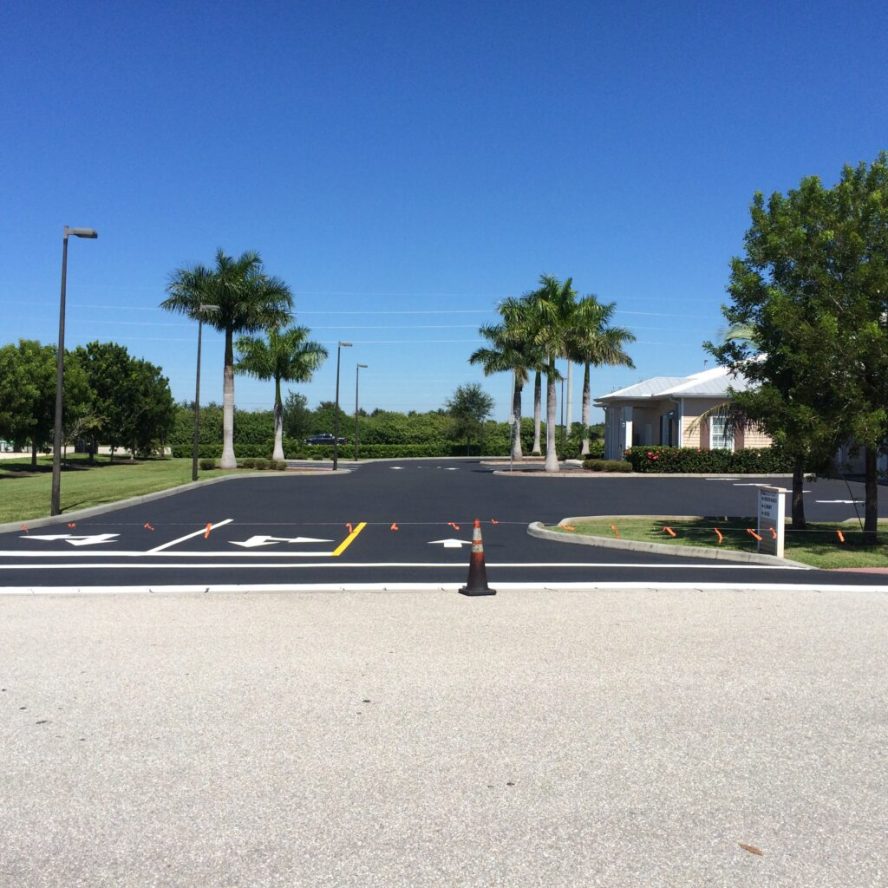
In busy parking areas, striping defines traffic flow, parking stalls, fire lanes, and accessible spaces. Thermoplastic markings help maintain order and safety over time. When commercial parking areas are seal coated, combining that process with proper striping ensures markings remain visible and compliant. In cases where old lines interfere with new layouts, stripping the lot before re-marking is often the best way to achieve clean, readable results.
Intersections and High-Conflict Areas
Stop bars, turn lanes, and directional arrows placed with thermoplastic materials hold up better under braking and turning forces, reducing the need for constant touch-ups.
How Thermoplastic Markings Improve Visibility Over Time
Visibility is not just about how markings look on day one—it is about how they perform months and years later.
Enhanced Nighttime Recognition
The embedded glass beads reflect headlights back toward drivers, improving recognition distances. This reflective quality remains effective long after paint markings have dulled.
Better Performance in Wet Conditions
Raised thermoplastic lines allow water to drain away, keeping reflective elements exposed. This makes markings easier to see during rain, when flat painted lines can nearly disappear.
Consistent Color and Contrast
Thermoplastic pigments resist fading, helping lines and symbols stand out against dark pavement even as the surface ages.
Over time, this consistency supports safer decision-making for drivers and clearer pathways for pedestrians.
When Thermoplastic Markings Make the Most Sense
Thermoplastic markings are not always necessary for every project, but they are especially effective in specific situations:
- High-traffic roads with frequent braking
- Parking lots that serve retail centers, offices, or medical facilities
- Crosswalks near schools, parks, and public buildings
- Areas where maintenance disruptions need to be minimized
In regions where traffic volume is steady, such as areas served by an asphalt contractor in North Port or nearby communities, the longer service life of thermoplastic markings can significantly reduce long-term maintenance needs.
Preparation Matters: Surface Condition and Striping
Even the best materials rely on proper surface preparation. Before applying thermoplastic markings, the pavement must be clean, dry, and structurally sound. In commercial parking areas, this often goes hand in hand with seal coating projects. Clear, visible striping after seal coating helps maximize the benefits of both processes.
When outdated or confusing lines exist, stripping the lot before new markings are installed helps prevent driver confusion and improves overall safety. Proper preparation ensures that thermoplastic markings perform as intended for years.
Long-Term Value Beyond the Surface
While thermoplastic markings may involve a higher upfront investment than paint, their extended lifespan, reduced maintenance frequency, and improved safety performance often make them more cost-effective over time. Fewer reapplications mean less disruption to traffic and daily operations, which is especially valuable in active commercial environments.
In areas such as thermoplastics in Englewood or similar high-use zones, choosing a marking system that holds up under pressure can make a measurable difference in both safety and appearance.
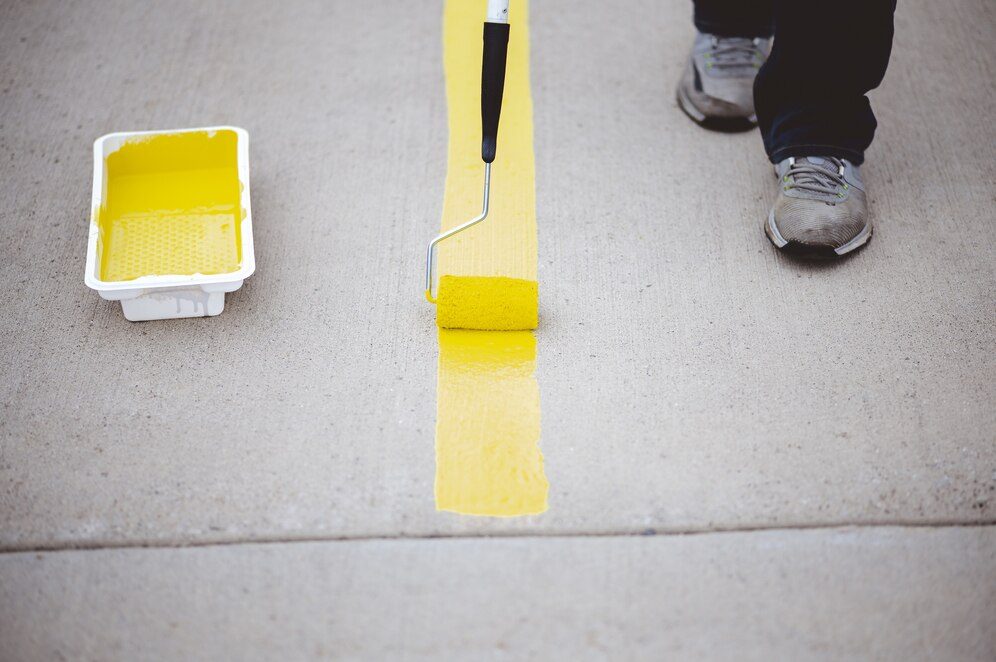
https://www.asphaltsealers.net/wp-content/uploads/elementor/thumbs/Thermoplastic-Road-Marking-Paint-2-q3ba12l38nsb58vjm3fcf9jzri7oi5amv0tmj79pf2.webp
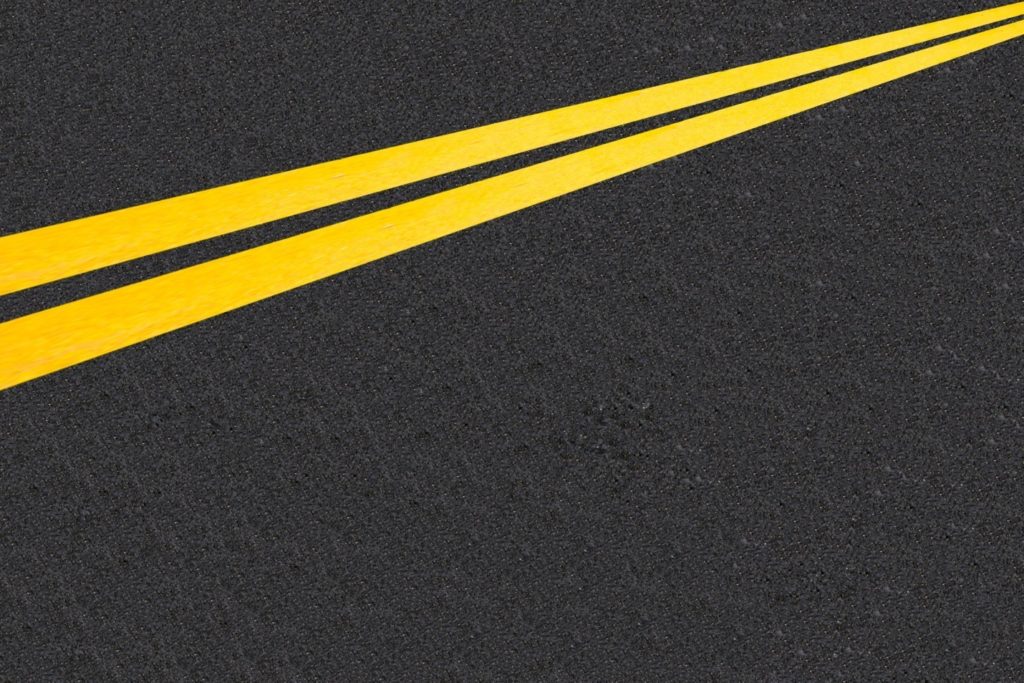
Image File Name: thermoplastic-road-striping
Image Alt Text: Fresh thermoplastic road marking paint.
Caption: Durable thermoplastic striping provides long-lasting road markings in Englewood.
What Would Clearer, Longer-Lasting Markings Change for Your Property?
Clear pavement markings are not just about compliance—they shape how people move, react, and stay safe every day. When lines remain visible year after year, they support smoother traffic flow and reduce uncertainty for drivers and pedestrians alike.
For those considering thermoplastic markings or seeking guidance on long-lasting pavement solutions, Asphalt Sealers offers the experience and practical insight needed to address high-traffic challenges effectively.
Reaching out allows property owners and managers to understand how durable marking systems can solve visibility issues, reduce maintenance cycles, and support safer spaces over the long term.