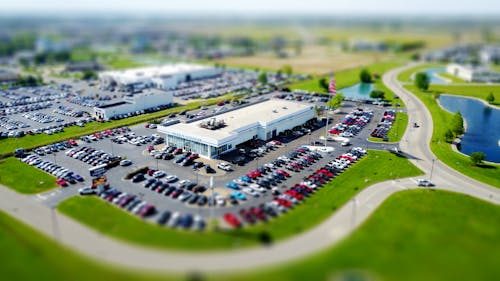
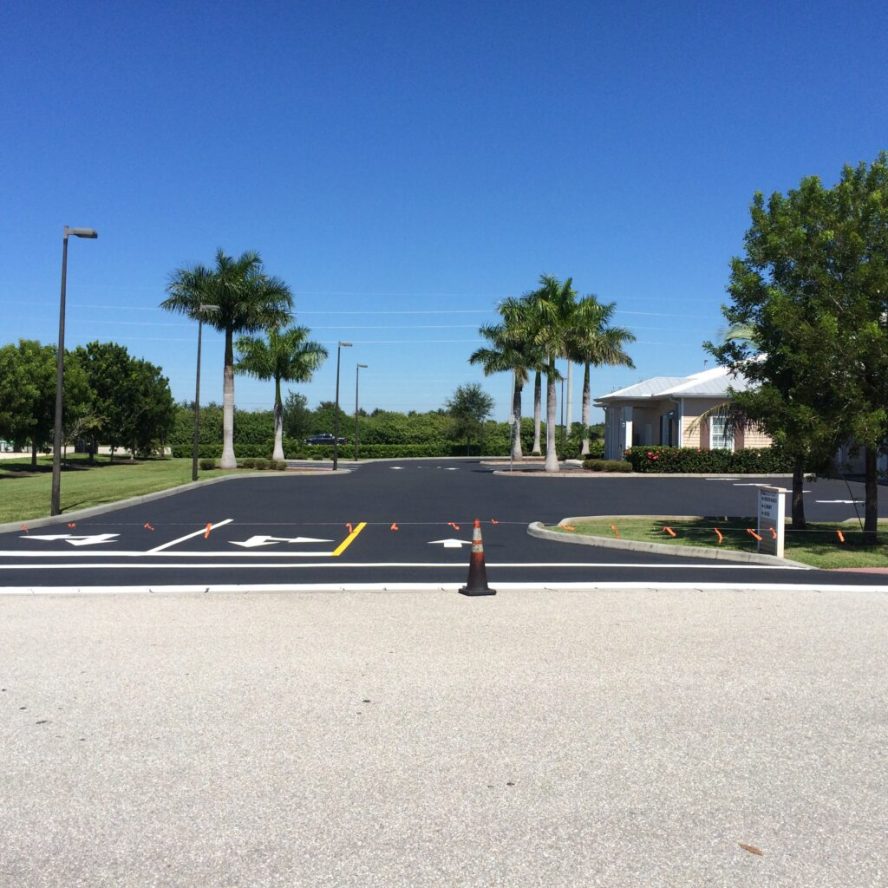
Why do so many parking lot accidents happen before drivers even step out of their cars? A significant percentage of low-speed collisions and pedestrian incidents occur in parking areas—not on highways or busy intersections. That single statistic highlights an often-overlooked truth: the way a parking lot is marked directly affects how people move, stop, yield, and park.
When lines fade or layouts become unclear, confusion replaces order. That confusion slows traffic flow, increases risk, and frustrates customers before they ever reach a front door. Clear, professionally applied striping solves these problems by turning open asphalt into a well-organized space that guides vehicles and pedestrians safely.
In this article, we explain how proper striping improves safety, supports accessibility requirements, and protects a business’s public image, while also sharing best practices for maintaining visible, effective markings.
How Clear Striping Shapes Safer Behavior
Parking lots work best when drivers do not have to guess. Painted lines, arrows, and symbols communicate rules instantly, even to first-time visitors. When those visual cues are missing or inconsistent, drivers rely on assumption instead of instruction.
Proper striping improves safety by:
- Defining lanes and directionsso vehicles know where to travel and where to yield
- Creating predictable parking patternsthat reduce sudden stops and sharp turns
- Separating vehicles from pedestrianswith crosswalks and buffer zones
- Reducing disputesover parking spaces and right-of-way
We see this most clearly in busy retail centers and office complexes, where even a brief moment of hesitation can cause congestion or a minor collision. Clear markings remove hesitation and replace it with confidence.
Striping and Its Direct Impact on Traffic Flow
Smooth traffic flow does not happen by accident. It is the result of visual structure. Directional arrows, lane striping, and clearly marked entrances and exits keep vehicles moving steadily rather than clustering in random patterns.
Well-planned striping supports traffic flow by:
- Guiding entry and exit points
Drivers immediately know where to enter, where to leave, and how to circulate through the lot. - Reducing bottlenecks
Clearly defined drive lanes prevent vehicles from cutting across parking rows or blocking access. - Improving visibility at intersections
Stop bars, yield markings, and directional arrows reduce confusion where paths cross. - Supporting emergency access
Fire lanes and no-parking zones remain clear, allowing emergency vehicles to move quickly if needed.
Without these visual controls, even small parking areas can become chaotic during peak hours. Fresh striping restores order and keeps vehicles moving in a predictable, safer pattern.
Pedestrian Safety Starts on the Pavement
Parking lots are shared spaces. Drivers, pedestrians, delivery crews, and mobility-impaired visitors all move through the same area. Striping creates boundaries that help each group understand where they belong.
Key pedestrian safety elements include:
- High-visibility crosswalksthat alert drivers to foot traffic
- Stop lines set back from crossingsto improve sightlines
- Designated walkwaysleading toward building entrances
- Buffer zonesbetween parking spaces and sidewalks
When these markings fade, pedestrians are forced to improvise, often walking between vehicles or crossing traffic lanes unexpectedly. Clear striping restores a sense of order and reduces close calls.
ADA Compliance Is Not Optional
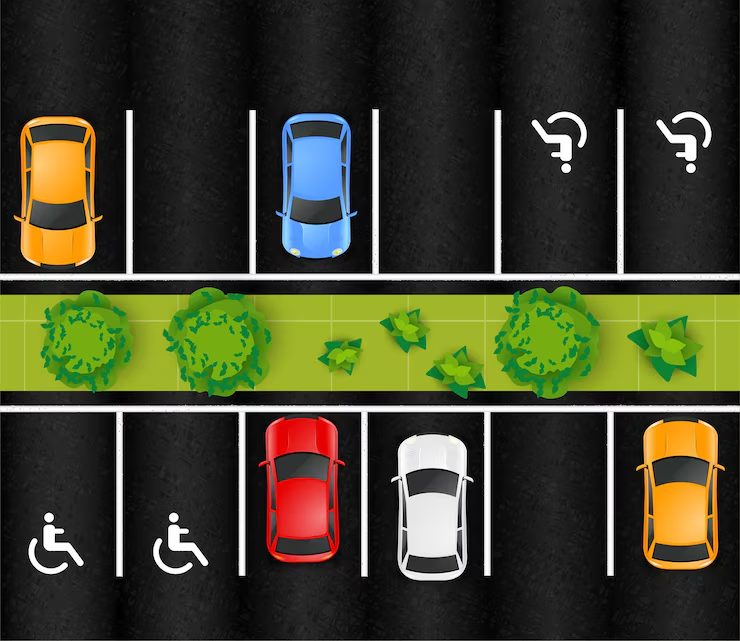
Accessible parking is not simply about meeting a checklist. It is about ensuring equal access for all visitors. Proper striping plays a central role in meeting accessibility standards and avoiding compliance issues.
Effective ADA-related markings include:
- Correctly sized and clearly marked accessible spaces
- Visible access aisles with proper spacing
- Clearly painted symbols that remain readable from a distance
- Smooth, logical paths from parking spaces to entrances
Faded or incorrectly placed markings can result in compliance concerns and create unnecessary barriers for visitors. Regular line maintenance ensures accessibility remains clear and consistent.
Why Line Maintenance Matters as Much as Initial Striping
Striping is not a one-time task. Exposure to traffic, weather, and sunlight gradually reduces visibility. As lines fade, their effectiveness drops, even if the original layout was well designed.
Best practices for maintaining line visibility include:
- Routine inspectionsto identify fading or wear
- Re-striping before lines disappear completely
- Refreshing symbols, arrows, and fire lanesalong with parking stalls
- Coordinating striping with surface worksuch as seal coating, and at minimum re-striping the lot so markings remain visible
For commercial parking areas receiving seal coating, re-striping afterward—or at least refreshing the markings—is essential. Dark, freshly coated pavement without visible lines can be more confusing than worn asphalt with faded markings.
The Business Image Effect of Fresh Striping
A parking lot is often the first physical interaction a customer has with a business. Before signage, before staff, and before products, visitors experience the parking area. Clear striping sends an immediate message of order and care.
Fresh markings communicate that:
- Safety is taken seriously
- Accessibility has been considered
- Traffic flowhas been planned
- The property is actively maintained
On the other hand, worn lines suggest neglect, even if the interior space is well managed. Simple improvements like updated striping can noticeably change first impressions without major construction.
When Striping Makes the Biggest Difference
While every lot benefits from clear markings, some situations see especially strong results:
- High-turnover retail centerswith constant vehicle movement
- Medical facilitieswhere accessibility and pedestrian safety are essential
- Office complexeswith peak-hour congestion
- Properties in growing communitieswhere layouts must guide unfamiliar drivers
In areas such as parking lot striping in North Port, where mixed-use properties and steady growth bring varied traffic patterns, clear markings play an even larger role in keeping movement predictable and safe.
A Final Thought on Safety, Access, and Order
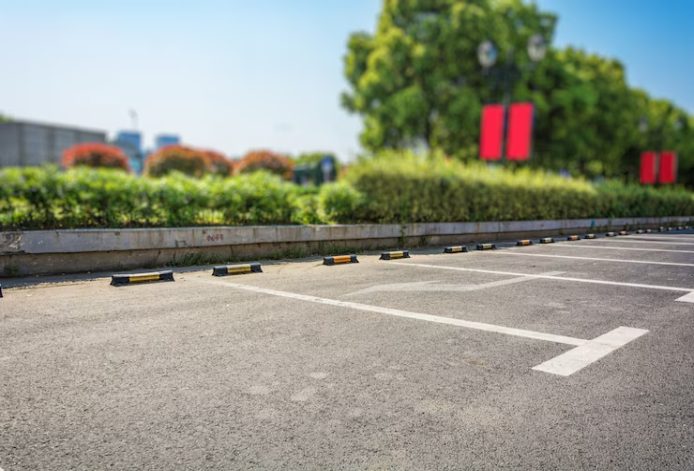
What message does a parking lot send before anyone steps inside? Clear, visible striping answers that question instantly. It supports safety, improves traffic flow, protects accessibility, and reinforces a positive first impression—all without changing the footprint of the property.
When we look at parking areas as active traffic environments rather than leftover space, the value of professional striping becomes obvious. For property owners and managers ready to restore clarity and reduce risk, reaching out to Asphalt Sealers is a practical next step.
Their experience with pavement surfaces and line visibility helps address safety concerns, improve organization, and keep parking areas functional and welcoming.