When was the last time you really looked at your pavement and asked whether it’s quietly costing you more than it should? Across the U.S., parking lots and driveways that go unprotected can lose years of usable life far sooner than expected.
That reality creates urgency for property owners who want fewer repairs, safer surfaces, and predictable upkeep costs. Sealcoating steps in as a practical answer, helping asphalt resist daily wear while keeping it visually sharp.
In this guide, we’ll break down seal coating 101, explain how it works, compare common product types, and outline smart maintenance schedules that help prevent early pavement damage.
What Sealcoating Really Does for Asphalt
Asphalt is flexible and strong, but it isn’t invincible. Exposure to sunlight, moisture, oxygen, traffic, and chemicals gradually breaks down the binders that hold the surface together. Sealcoating adds a protective layer designed to slow that process.
Core Benefits of Sealcoating
- UV protection:Sunlight oxidizes asphalt over time, causing it to dry out and crack. Sealcoating acts as a barrier that limits direct UV exposure.
- Water resistance:Moisture is one of asphalt’s biggest threats. A sealed surface reduces water penetration that can weaken the base and lead to potholes.
- Chemical defense:Oils, fuel drips, and de-icing products can soften asphalt. Sealcoating helps resist these spills before they soak in.
- Extended lifespan:By slowing surface breakdown, sealcoating helps pavement last longer before major blacktop repair becomes necessary.
- Improved appearance:Fresh sealcoating restores a rich, dark finish that makes pavement look well cared for.
Whether we’re talking about residential driveways or commercial parking areas, these benefits add up to fewer disruptions and lower long-term costs.
Seal Coating 101: How the Process Works
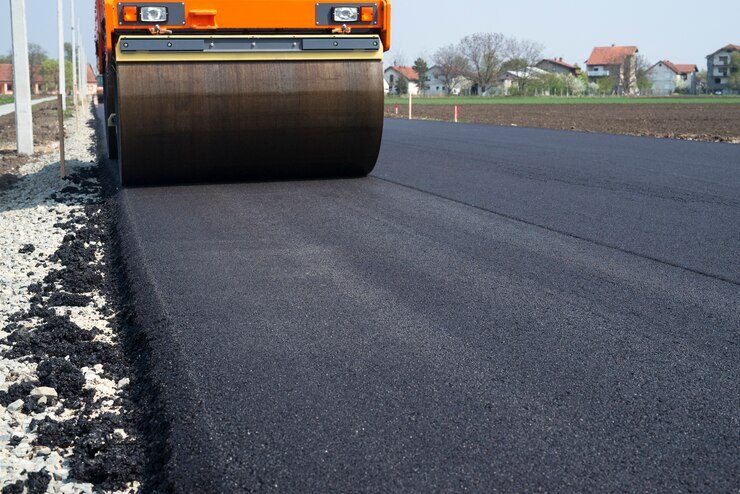
Understanding the basics helps us see why timing and preparation matter so much.
- Surface preparation
Cracks are cleaned and filled, and any needed blacktop repair is addressed first. Dirt, debris, and vegetation must be removed so the coating can bond properly. - Application
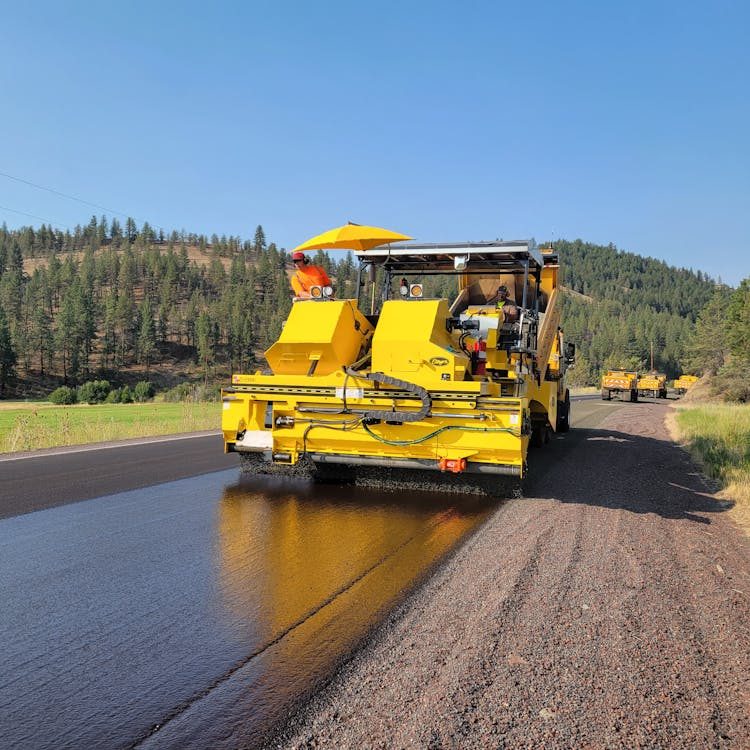
The sealcoat product is applied evenly, typically by spray or squeegee, forming a uniform protective layer. - Curing time
The surface needs adequate time to cure before traffic returns. This ensures durability and even wear.
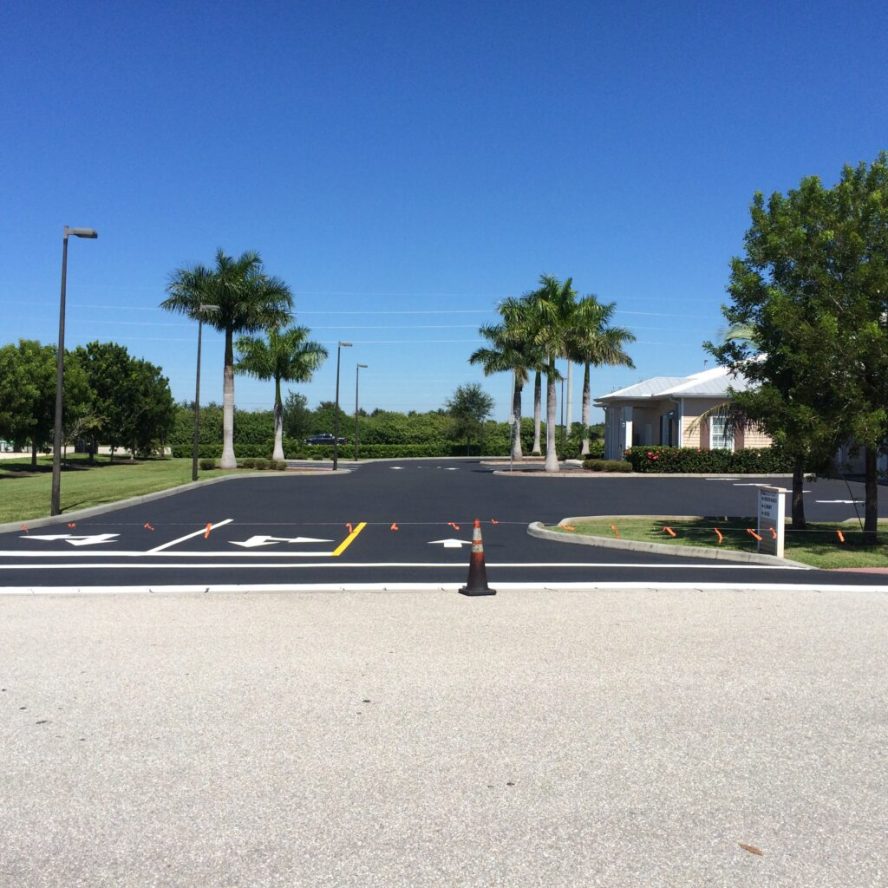
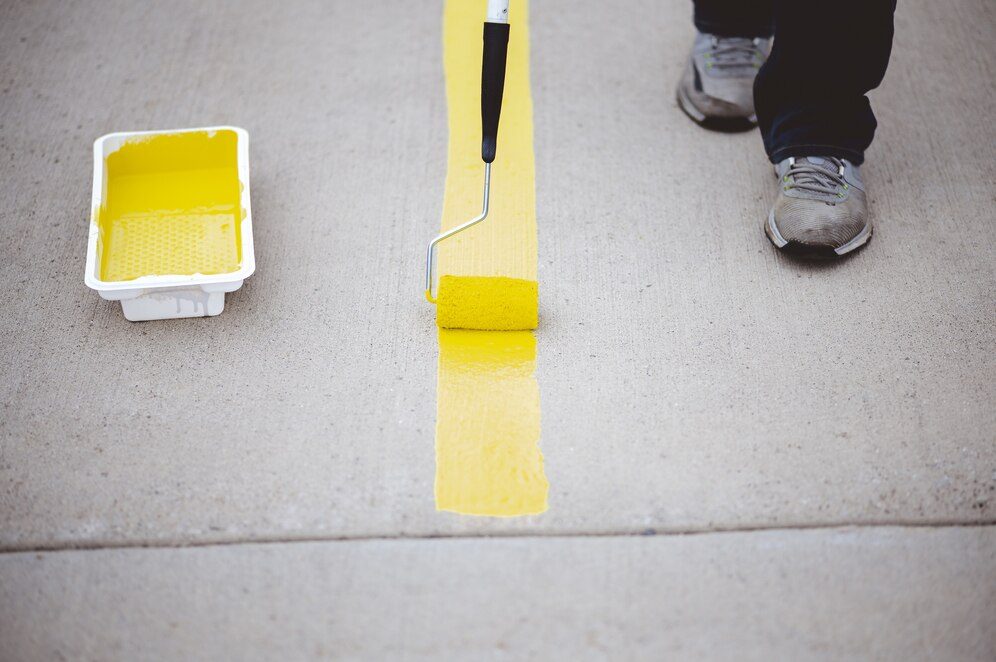
For commercial parking areas, this is also the ideal moment to address striping. Once the sealcoat has cured, restriping the lot restores clear markings, improves traffic flow, and enhances safety for drivers and pedestrians alike.
Comparing Common Sealcoating Products
Not all sealcoating materials perform the same way. Choosing the right one depends on traffic levels, climate conditions, and performance expectations.
Coal Tar–Based Sealcoatings
- Known for strong resistance to fuel and oil spills
- Often used in high-traffic commercial settings
- Provides a deep black finish
Asphalt Emulsion Sealcoatings
- Made with asphalt binders similar to the pavement itself
- Flexible and well-suitedfor moderate traffic
- Generally easier to maintain over time
Polymer-Modified Sealcoatings
- Enhanced with additives for added durability
- Better resistance to wear from turning tires
- Often selected for surfaces that see frequent use
Each option has strengths, and understanding these differences helps ensure the coating matches the surface’s demands rather than wearing out too quickly.
Residential vs. Commercial Applications
Sealcoating needs vary depending on how a surface is used. For example:
Residential Driveways
Driveways typically see lighter traffic, but they’re still exposed to sun and rain every day. Regular sealing keeps the surface flexible and reduces cracking that leads to more extensive repairs later.
Commercial Parking Areas
Commercial pavement faces heavier loads, frequent turning, and constant exposure to vehicles. Sealcoating helps manage that stress while keeping the surface professional-looking. Pairing sealcoating with striping after application ensures parking stalls, fire lanes, and directional arrows remain clear and compliant.
Maintenance Schedules That Prevent Early Damage
One of the biggest mistakes we see is waiting too long between applications. Sealcoating works best as a preventive step, not a last-minute fix.
Typical Guidelines
- New asphalt:Wait until the surface has cured before the first sealcoat.
- Residential surfaces:Reapply every few years, depending on exposure and wear.
- Commercial surfaces:Often require more frequent attention due to traffic volume.
Regular inspections matter just as much as the schedule itself. Catching small cracks early and addressing them before sealing keeps water out and helps the coating perform as intended.
Common Mistakes to Avoid
Even a good product won’t deliver results if the process is rushed or poorly planned.
- Applying sealcoat over unfilled cracks
- Ignoring weather conditions during application
- Skipping surface cleaning
- Delaying restriping on commercial lots after sealing
Avoiding these pitfalls keeps the protective layer doing its job rather than failing prematurely.
Why Location and Use Matter
Climate, traffic patterns, and usage all influence how often sealing is needed. For example, properties that see regular sun exposure and seasonal storms benefit greatly from consistent sealing schedules. In areas where businesses depend on clean, organized parking, seal coating paired with fresh striping helps maintain a professional image while reducing liability risks.
When Preventive Care Beats Major Repair
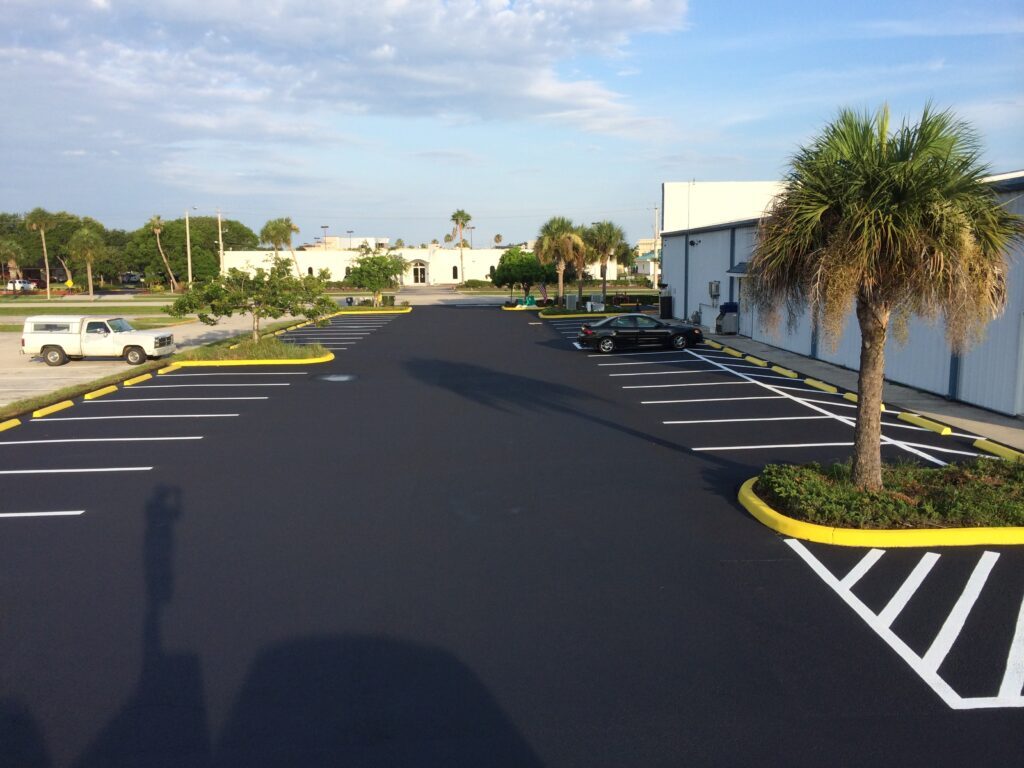
Sealcoating isn’t a cure-all, but it’s one of the most effective ways to delay costly reconstruction. By keeping water and UV rays at bay, we reduce the likelihood of deep structural damage that demands extensive blacktop repair. Over time, that preventive approach saves money and minimizes downtime.
Ready to Protect What You’ve Already Built?
What if a simple maintenance step today could save years of frustration tomorrow? Sealcoating is about protecting what we’ve already invested in—keeping asphalt strong, safe, and visually appealing for as long as possible.
For property owners seeking dependable guidance and proven results, Asphalt Sealers offers experience-backed solutions that address surface protection, timely sealing, and clear striping for commercial parking areas.
Reaching out means working with professionals who understand how to extend pavement life, manage wear, and help prevent early damage before it becomes a bigger problem.