Florida’s sunshine might be beautiful, but it’s also one of the biggest reasons driveways wear out faster here than in most other states. Constant exposure to ultraviolet rays, heavy rain, and humidity can shorten the life of unsealed asphalt. Add in heat, oil drips, and the occasional hurricane, and it’s easy to see why driveways start showing cracks and discoloration within just a few years.
And yet, driveway sealcoating remains one of the most overlooked maintenance steps among homeowners. It’s not flashy. It doesn’t seem urgent. But it quietly works behind the scenes—protecting your investment and preventing bigger repair costs down the line.
Let’s take a closer look at how this simple layer of protection became the unsung hero of Florida driveways.
Why Florida Driveways Need Extra Protection
Driveways in Florida face unique challenges. The combination of sun, salt, and moisture creates a perfect storm for surface deterioration. Asphalt, while durable, is porous and absorbs water, oil, and chemicals that weaken its structure over time.
When temperatures rise, the asphalt expands; when it cools, it contracts. This repeated expansion and contraction lead to small surface cracks, which can eventually widen into potholes or surface breaks.
Properly sealed driveways can last up to twice as long as unsealed ones. Sealcoating acts as a barrier between the asphalt and damaging elements, reducing oxidation, water infiltration, and fading.
Common Florida driveway problems that sealcoating helps manage:
- Surface oxidation from UV rays
- Water penetration that leads to cracking
- Oil and chemical stains
- Erosion from heavy rainfall or runoff
- Rough or faded appearance
How Sealcoating Works
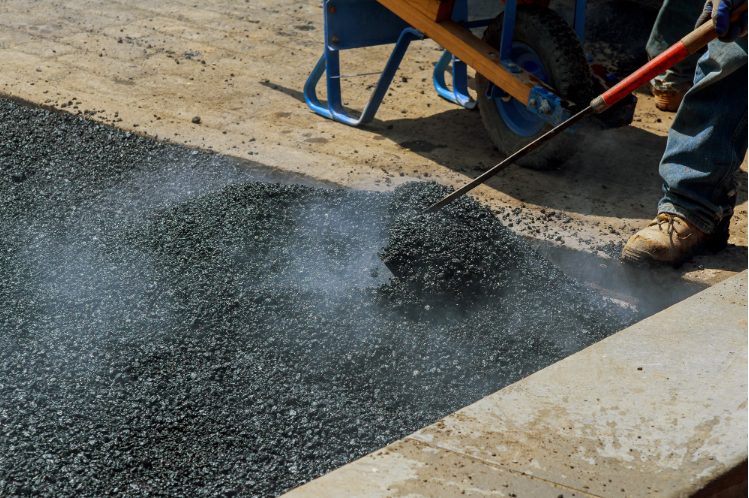
Think of sealcoating as sunscreen for your driveway. It’s a thin, protective coating applied to the surface of the asphalt that shields it from environmental stressors.
The process typically involves:
- Cleaning the surface: Removing dirt, debris, and oil to allow the coating to adhere properly.
- Repairing existing cracks: Minor asphalt repair or pothole repair may be completed first to restore the surface.
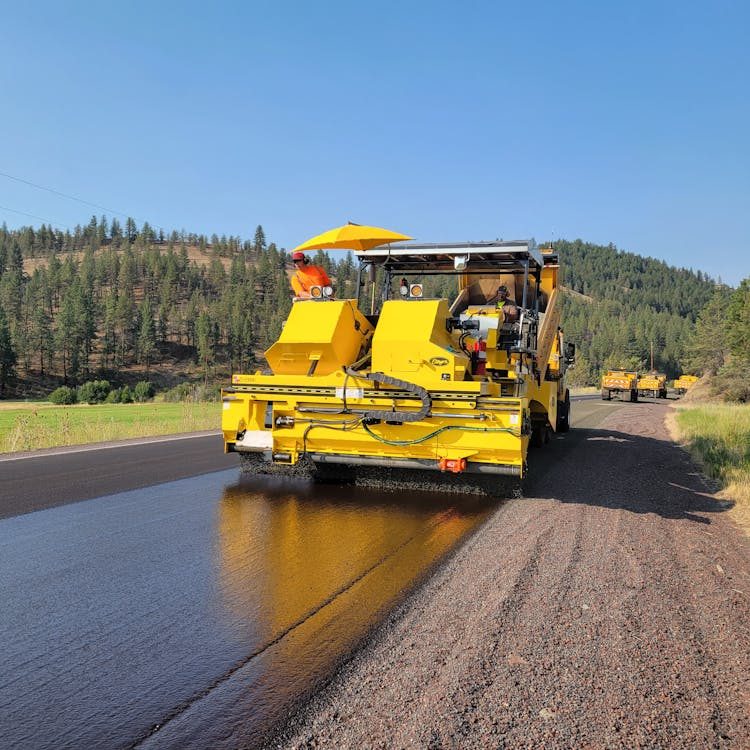
- Applying the sealcoat: A smooth layer of sealant is spread evenly across the driveway.
- Curing time: The sealcoat usually takes 24 to 48 hours to dry, depending on humidity and temperature.
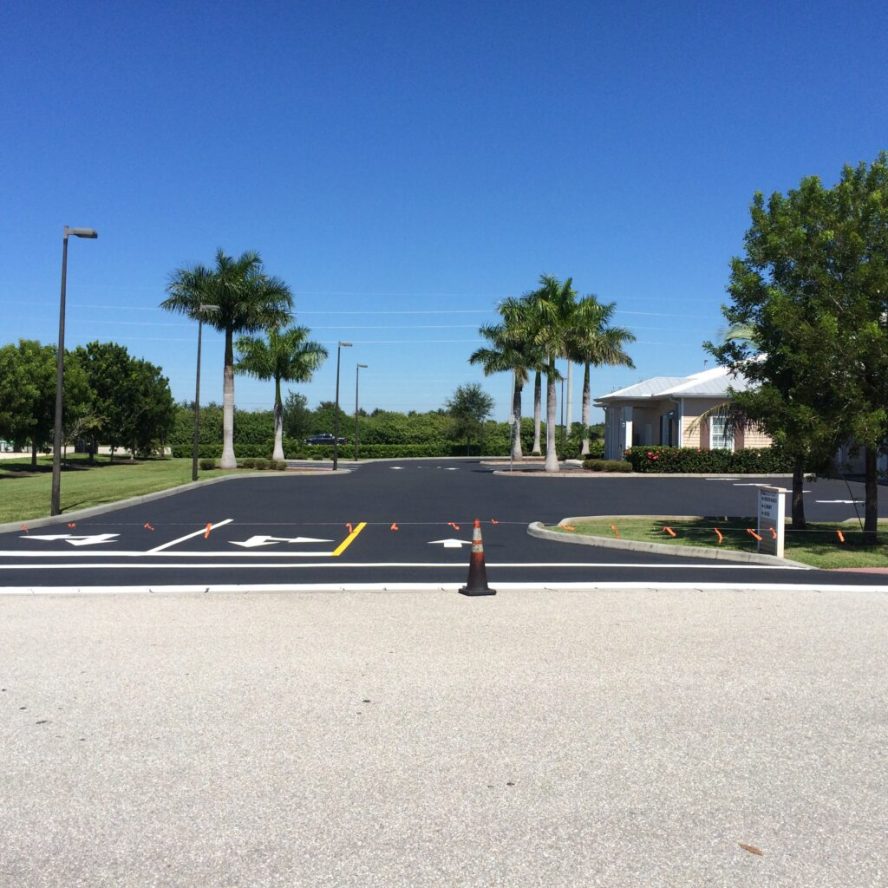
Once completed, the surface gains a uniform, rich black finish and renewed protection. Regular maintenance every two to three years keeps your driveway durable and visually appealing.
The Long-Term Benefits of Sealcoating
It might seem like a simple maintenance step, but sealcoating delivers several measurable benefits that make a lasting difference for homeowners and businesses alike.
1. Prevents Costly Repairs
Routine sealcoating may help manage wear and delay the need for major asphalt repair or asphalt paving services. It’s far more affordable than full resurfacing or replacement.
2. Protects Against Water Damage
Florida’s frequent rainstorms can quickly find their way into unprotected cracks. Sealcoating acts as a waterproof layer, limiting water intrusion that leads to pothole repair or asphalt repair later on.
3. Improves Appearance
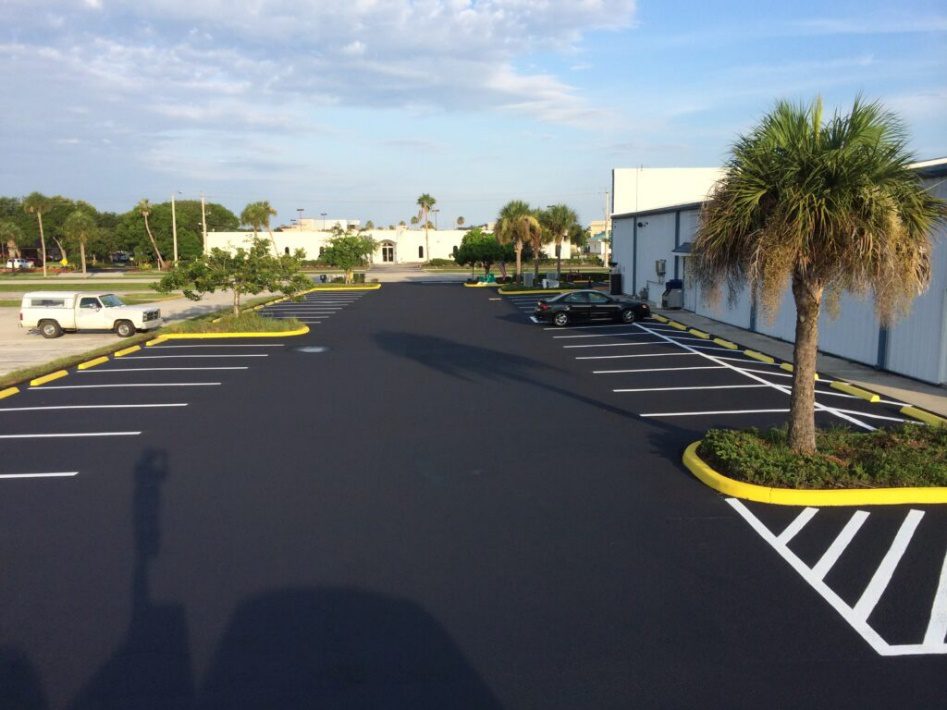
A freshly coated driveway restores that deep black look associated with new pavement. Businesses that maintain their parking areas often notice an improvement in curb appeal and customer perception.
4. Extends Pavement Life
A properly maintained driveway can last up to 20 years or more, compared to an unsealed one that may need resurfacing in half that time.
5. Reduces Oxidation and UV Damage
Sun exposure can dry out asphalt, making it brittle. Sealcoating slows this process, maintaining flexibility and preventing surface cracking.
Why Professional Sealcoating Matters
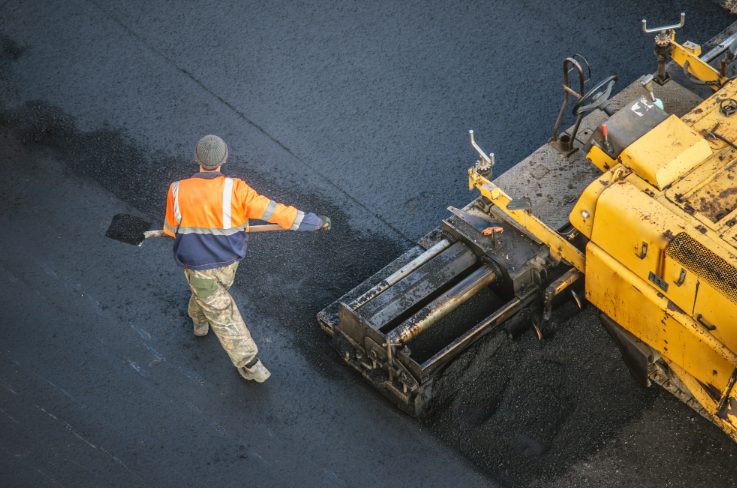
While DIY sealcoating kits exist, they often lack the durability of professionally applied products. A trained asphalt contractor uses commercial-grade sealants and equipment to achieve even coverage and consistent protection.
Professionals also assess your property for other maintenance needs, such as:
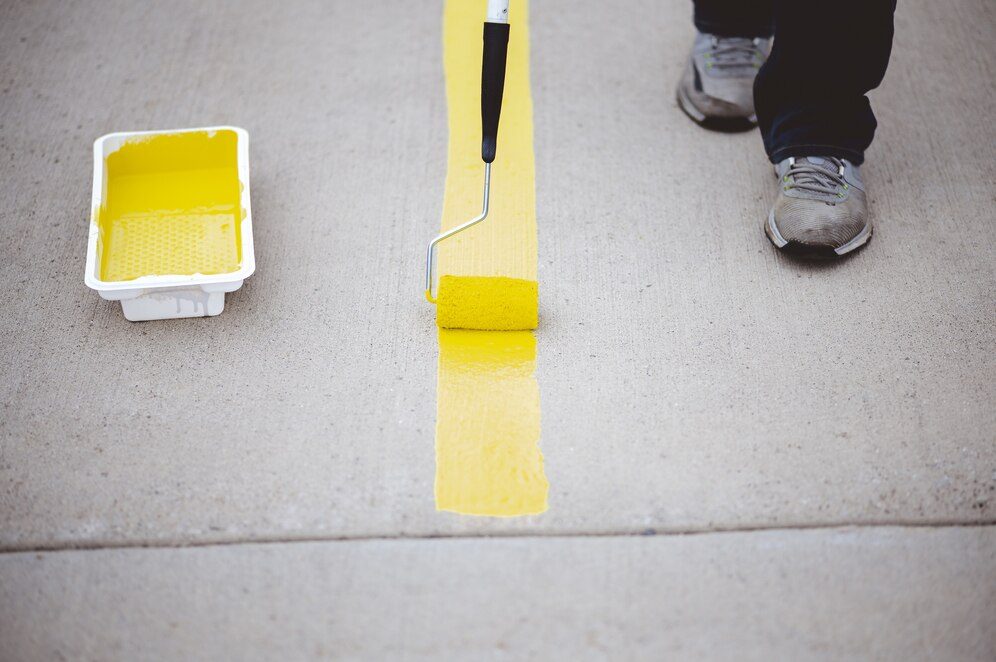
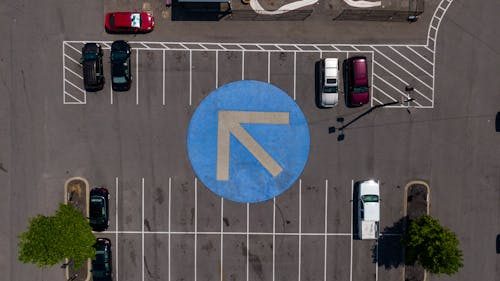
- Asphalt striping for clear parking lines
- Wheel stops to reduce small parking collisions
- Thermoplastics for long-lasting traffic markings
- Sealcoating for neighborhood driveways and commercial lots
Hiring an experienced contractor ensures your driveway gets the proper surface preparation, crack filling, and long-term protection.
How Often Should You Sealcoat Your Driveway?
Frequency depends on several factors, including traffic volume, weather exposure, and age of the pavement. In Florida’s hot, humid climate, most experts recommend sealcoating every two to three years to maintain optimal protection.
You might need it sooner if you notice:
- Faded or gray color
- Visible surface cracks
- Pooled water after rain
- Rough, uneven texture
Regular maintenance paired with asphalt repair will help prevent costly overhauls and maintain a clean, professional look.
Protecting What You’ve Paved
Sealcoating may not be the most talked-about home improvement project, but its benefits are undeniable. Forming a strong barrier against Florida’s sun and rain, it helps driveways stay smoother, darker, and stronger for years.
At Asphalt Sealers, we specialize in driveway sealcoating, asphalt repair, and sealcoating services that keep residential and commercial properties in top condition. Our team provides professional care that preserves your investment.
Contact us today to schedule your consultation and see how a single maintenance step can protect your driveway and add lasting curb appeal.