Florida’s climate is one of the most challenging in the country for pavement durability. According to data, summer surface temperatures on asphalt can surpass 140 degrees Fahrenheit, and the state receives more than 50 inches of rainfall annually. These conditions speed up oxidation, surface wear, and structural weakening. When these forces combine, commercial property owners face frequent repairs unless strong parking lot maintenance tips are followed. This combination of extreme heat, heavy rainfall, and high humidity makes proactive care essential to prevent costly damage and ensure the long-term functionality of commercial parking lots.
The connection between weather patterns and asphalt life cycle becomes clear when looking at how heat, humidity, and moisture repeatedly affect parking lot surfaces.
How Heat and Sun Exposure Weaken Asphalt Over Time
Florida’s warm climate places continuous stress on asphalt surfaces. Prolonged exposure to high temperatures causes the binder in asphalt to harden more quickly. This leads to early cracking, brittleness, and surface distortion.
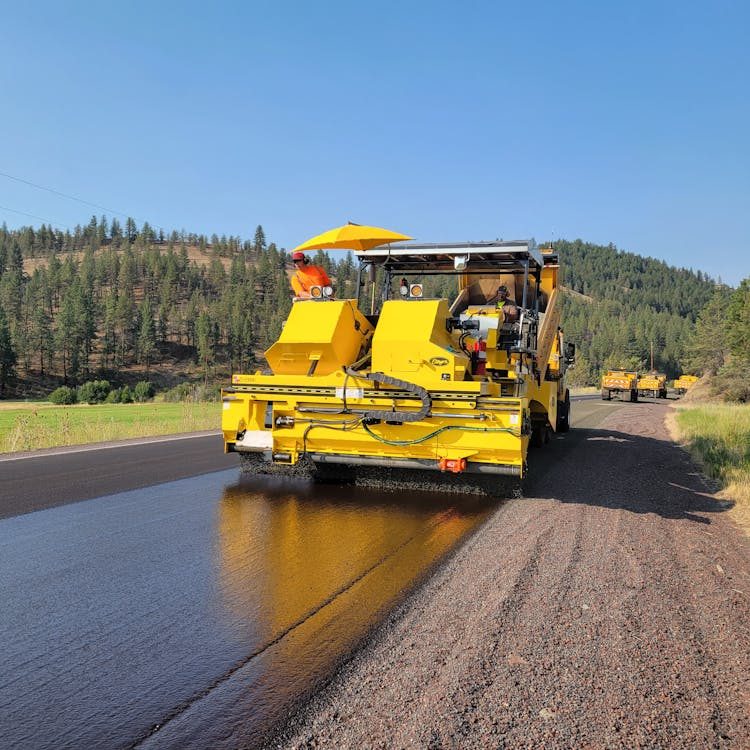
Property owners often rely on local specialists, such as an asphalt contractor in North Port, for professional maintenance. Regular sealcoating slows oxidation and keeps surfaces stable. Additional strategies include:
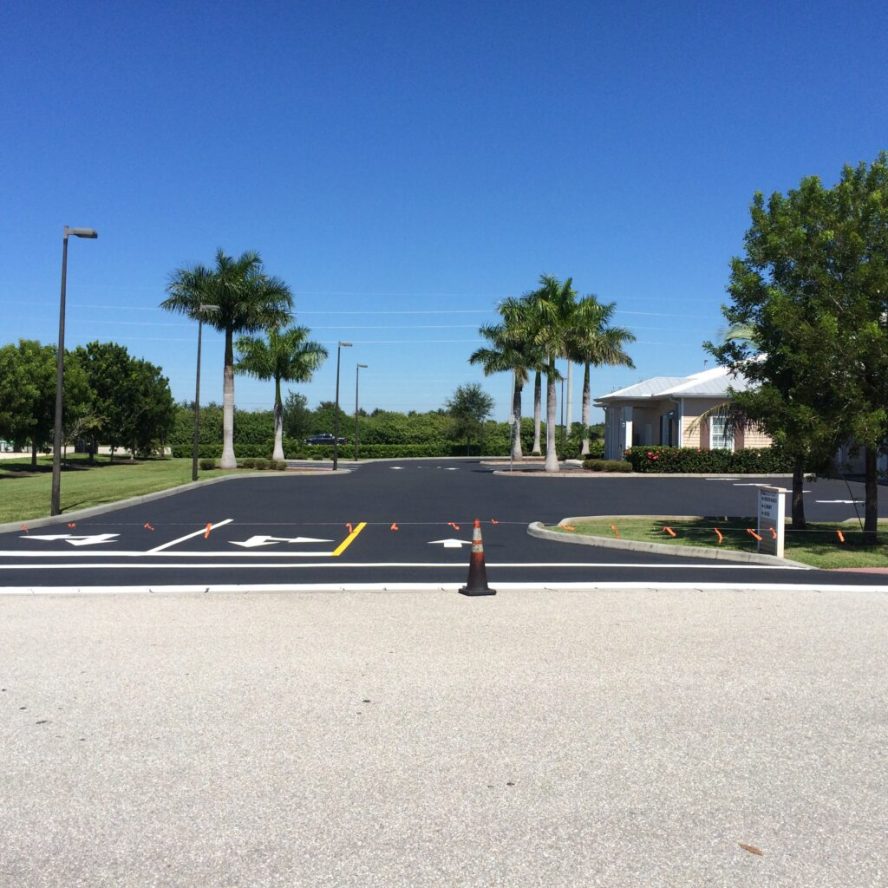
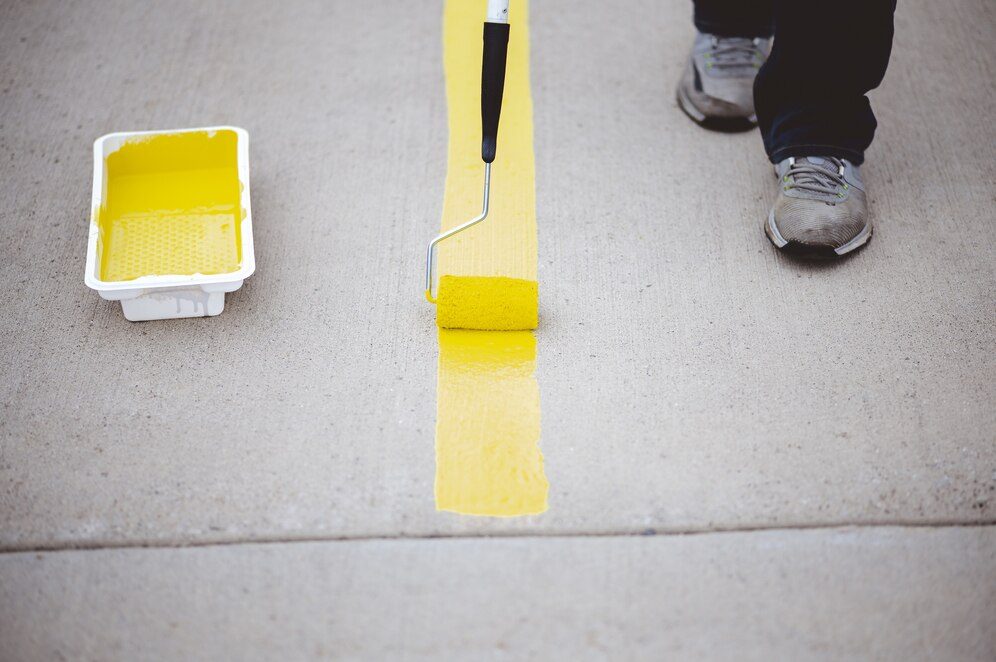
- Repairing faded markings through parking lot striping
- Improving traffic flow with properly placed wheel stops
- Adding safety signage sourced from trusted providers of road signs
These actions help reduce daily stress and prolong asphalt life.
Why Moisture and Heavy Rain Intensify Surface Damage
Cracks and small surface defects allow rainwater to penetrate the asphalt layers. Moisture weakens the base layer, often leading to potholes. Property owners commonly schedule asphalt pothole repair after the rainy season to maintain safe surfaces.
To prevent water damage:
- Conduct professional grading and drainage inspections
- Schedule regular asphalt sealcoating to protect the top layer
- Refresh markings with thermoplastics for visibility during storms
These preventative steps limit water penetration and reduce structural issues caused by excessive moisture.
Florida Storms and Their Long-Term Impact
Tropical storms and strong winds bring flooding, debris, and erosion, all of which stress parking lots. Heavy vehicles navigating waterlogged surfaces can worsen cracks and depressions, often requiring blacktop repair or asphalt paving
Property owners should:
- Schedule inspections before and after major storms
- Maintain clear markings with parking lot line striping
- Perform regular sealcoating to strengthen the top layer before the wet season
Proactive preparation ensures safer surfaces and reduces long-term repair costs.

How Traffic Patterns Influence Asphalt Wear in Florida
Although weather is the biggest environmental factor affecting pavement life, traffic volume also shapes how quickly a parking lot deteriorates. High heat softens asphalt during the summer months, which means heavy vehicles create deeper impressions and gradually distort the surface. Over time, these areas become weak points that worsen during storms.
Commercial lots that receive steady daily traffic often need earlier support from services such as asphalt repair.
Managing wear from vehicle movement
Property owners can reduce strain through small but consistent maintenance steps, such as:
- Updating markings through parking lot striping to guide smoother traffic flow
- Installing car stops to prevent repeated pressure in the same high-stress zones
- Adding durable thermoplastic markings from specialists.
- Rotating parking patterns in large commercial areas to distribute the weight of vehicles more evenly
These adjustments help prevent rutting, surface shoving, and premature cracks, especially when combined with periodic inspections from a trusted asphalt contractor in North Port
How Routine Inspections Prevent Costly Structural Failure
Many property owners focus on repairs only when visible damage appears, but routine inspections often catch early warning signs that can save thousands. Florida’s climate causes rapid changes in asphalt density due to heat, moisture, and humidity, which means small cracks expand more quickly than in cooler regions. A structured inspection schedule helps identify weaknesses before they escalate into safety hazards.
Commercial properties benefit significantly from early evaluations performed by specialists. These professionals can assess subsurface conditions, drainage performance, and early soft spots that usually indicate the need for targeted assistance.
Key elements of a professional inspection
Routine checks typically focus on:
- Identifying pressure points created by traffic patterns
- Detecting moisture buildup before it leads to potholes requiring asphalt pothole repair
- Reviewing fading markings that may require parking lot line striping
- Evaluating sealcoat thickness to determine if the lot needs fresh protection from asphalt sealcoating
Regular assessments also support long-lasting results by confirming that the pavement surface continues to drain properly and withstands heat stress. Routine inspections strengthen long-term resilience and contribute to safer, cleaner parking areas. When combined with scheduled sealcoat applications and timely repairs, property owners can maintain reliable surfaces despite Florida’s demanding climate.

Smart Care Improves Parking Lot Longevity in Florida
Florida’s heat, storms, and heavy rainfall place consistent strain on asphalt surfaces, but thoughtful care can significantly extend their lifespan. Regular sealing, drainage checks, updated markings, and timely repairs all contribute to stronger, safer, and longer-lasting commercial parking areas.
If you want dependable guidance backed by industry experience, Asphalt Sealers provides professional advice and structured asphalt services. Contact us today and give your parking lot the long-term protection it deserves.