Some car parks tell a story the moment you walk onto the site. Chipped kerbs. Damaged walls. Scuffed bollards. Tyre marks where drivers misjudged their space.
If this sounds familiar, you’re not alone. Many commercial properties face similar issues, and most owners don’t realise how quickly the damage adds up, both financially and in safety risk.
That’s where wheel stops come in. A simple, low-profile addition that quietly prevents thousands of pounds in repairs each year. This guide explains the real benefits of wheel stop installation, why they matter to busy properties, and why so many managers now consider them essential.
Why Vehicles Keep Hitting Kerbs and Walls
Drivers don’t hit structures on purpose. It usually happens because:
- Parking spaces feel too tight
- The markings are faded
- Drivers struggle to judge distance
- Larger vehicles sit higher, reducing visibility
- The car park layout doesn’t guide movement clearly
Even experienced drivers make mistakes, especially in crowded or high-speed parking areas. One small misjudgement can damage a kerb, wall, or even a pedestrian walkway.
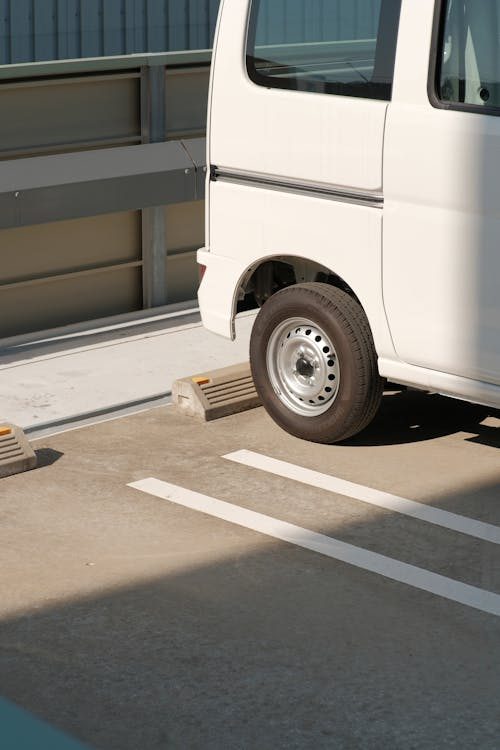
Wheel stops create a physical reminder that prevents cars from pushing too far forward. They don’t rely on perfect judgement; just simple contact with the tyres.
The Hidden Costs of Small Car Park Collisions
A single tap on a concrete kerb can create a crack that spreads. A bumper pressed against a wall can weaken the surface. Repeated hits cause misalignment and expensive structural repairs.
Industry estimates show that small car park impacts account for a significant portion of property maintenance costs each year. Even if the damage seems minor, repeated hits lead to:
- Concrete repairs
- Brick or block replacements
- Repainting
- Resurfacing
- Liability if the impact injures someone
The good news: most of this is preventable.
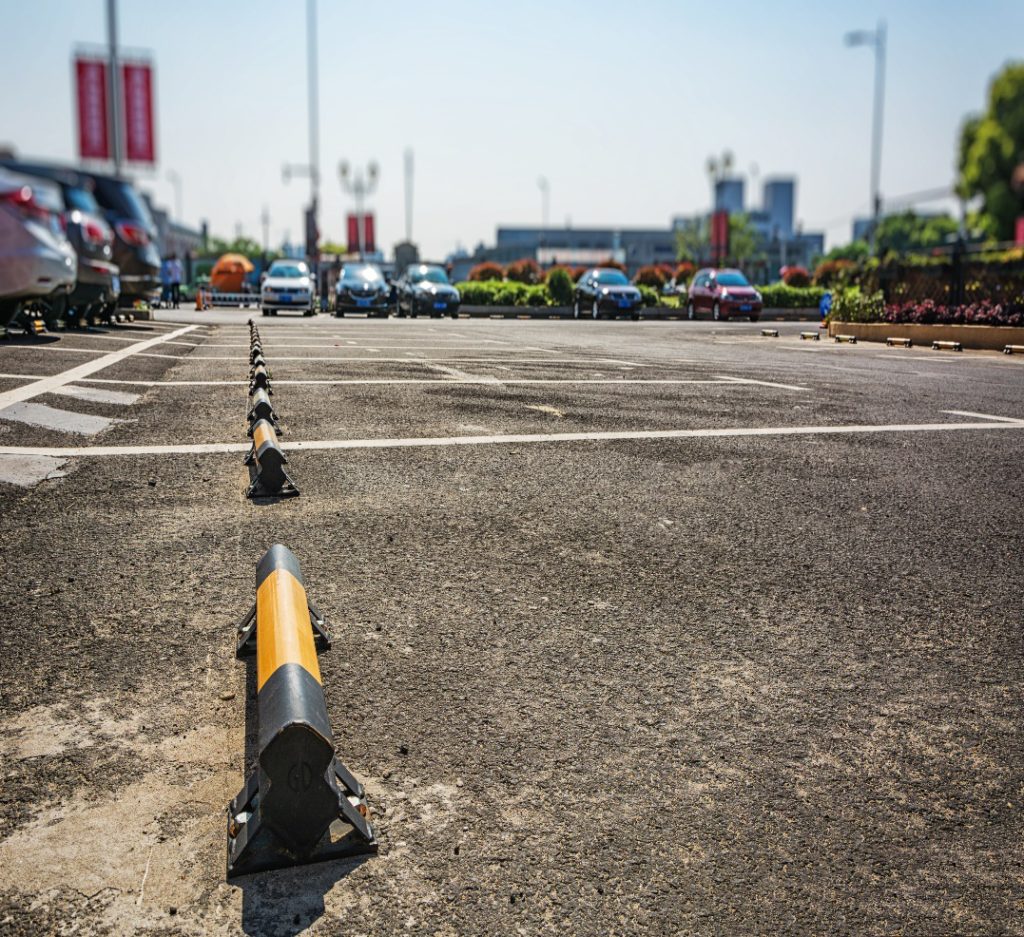
Wheel Stops in North Port: A Simple Fix with Big Impact
Installing wheel stops gives drivers a clear stopping point. They work for all vehicle sizes, cars, vans, and SUVs, and help drivers park consistently without rolling too far forward.
Here’s why they’re so effective:
1. They Protect Kerbs, Walls, and Landscaping
Without guidance, drivers inch forward until they feel safe. Wheel stops create a reliable limit, preventing contact with anything beyond the parking bay.
2. They Improve Pedestrian Safety
Pedestrian walkways near parking spaces are vulnerable. A vehicle rolling forward by just a few inches can strike a person’s legs. Wheel stops add a protective buffer.
3. They Keep Car Parks Orderly
Straight, evenly spaced parking reduces congestion. Wheel stops help drivers stay aligned, even in busy periods.
4. They’re Cost-Effective
Compared with property repairs, wheel stops are inexpensive. They last for years and require little maintenance.
5. They Work with Any Car Park Surface
Concrete. Asphalt. Fresh sealcoating. Wheel stops can be fitted to nearly any surface with secure fixing points.
These simple benefits add up to fewer headaches for property managers each month.
Did You Know?
A National Safety Council report found that tens of thousands of car crashes happen in parking lots and garages, often while parking. Wheel stops significantly reduce these incidents.
Reducing Liability for Your Business
Damage isn’t the only concern. If a vehicle hits a pedestrian, even at a slow speed, the liability falls on the business if the car park layout contributed to the risk.
Wheel stops act as a control measure. They show that the property owner took proactive steps to prevent foreseeable accidents. This matters during insurance claims and risk assessments.
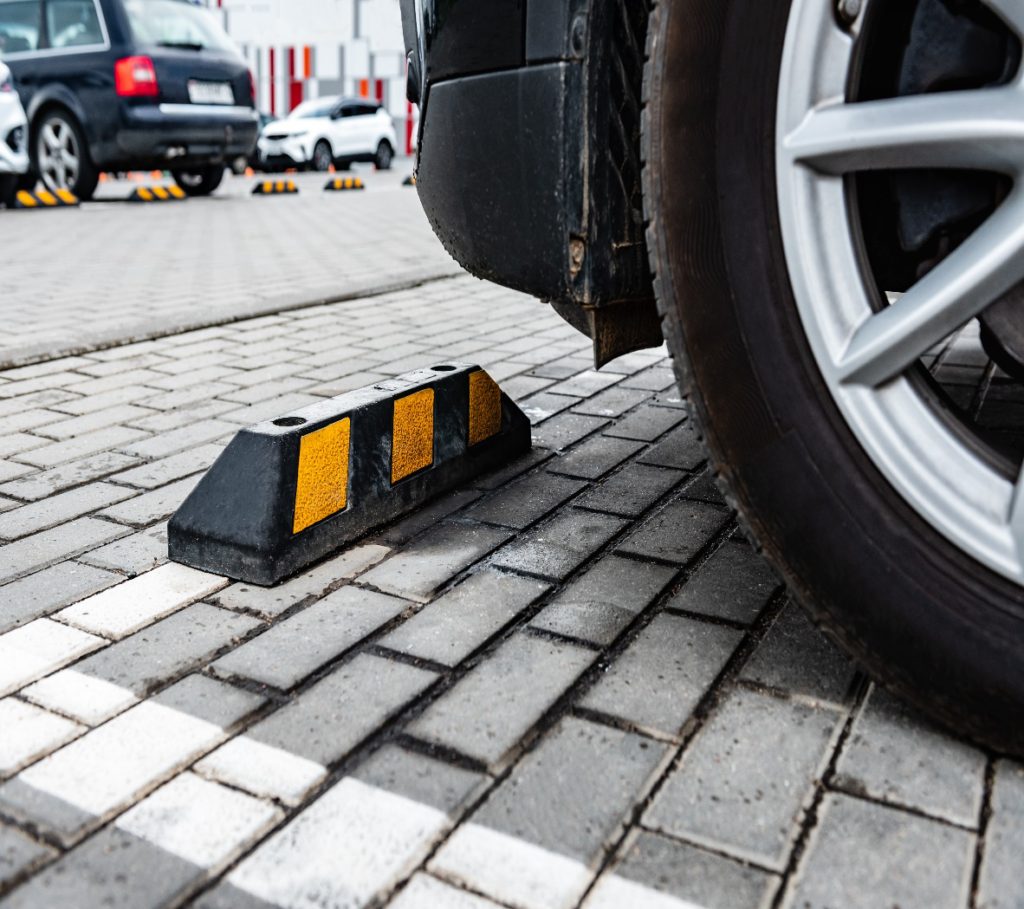
Why Proper Installation Matters
Wheel stops only work when they’re placed correctly. Poor placement can actually create hazards.
A professional installation ensures:
- Correct positioning
- Strong anchoring
- Visibility for drivers
- Proper spacing
- Compliance with accessibility requirements
Professionally installed wheel stops sit at the right height and distance so cars stop smoothly without jolting the driver or risking tyre damage.
Choosing the Right Wheel Stops
Different properties have different needs. Some car parks serve small vehicles. Others serve lorries, vans, or wheelchair-accessible bays.
Common options include:
- Concrete wheel stops – long-lasting and heavy
- Rubber wheel stops – flexible, high visibility, shock-absorbing
- Plastic wheel stops – weather-resistant and lightweight
A professional can assess your site and recommend the best match.
Where Wheel Stops Make the Biggest Difference
Not every area needs wheel stops, but some locations benefit more than others:
- Spaces near walls
- Bays facing storefronts
- Spaces near pedestrian walkways
- Disabled parking bays
- Bays near glass windows
- Areas with regular delivery vehicles
If drivers consistently push too far forward, that’s your sign.
Wheel Stop Installation Benefits for Busy Florida Properties
Florida properties face higher traffic volumes in key seasons, especially in retail, healthcare, hospitality, and residential settings. More traffic means a greater chance of impact.
The main wheel stop installation benefits for Florida businesses include:
- Reduced maintenance costs
- Better vehicle positioning
- Increased pedestrian protection
- Cleaner traffic flow
- Improved site appearance
- Protection for newly installed asphalt or concrete
And in coastal cities like North Port, salt exposure can weaken surfaces faster. Preventing damage early keeps the entire car park healthier for longer.
Tip for Property Managers
If your kerbs, bollards, or walls show repeated impact marks, that’s usually the first sign you need wheel stops. Early installation prevents months of repair expenses.
Why Work with a Professional Asphalt Company
Wheel stops need a secure foundation. Asphalt and concrete surfaces both require proper fixing techniques to ensure long-term stability.
A professional asphalt company can also advise whether your surface needs:
- Small repairs before installation
- Fresh striping
- Sealcoating
- Crack filling
This ensures the wheel stops sit properly and last longer.

Ready to Improve Safety and Protect Your Property?
As local specialists, Asphalt Services installs durable wheel stops that North Port businesses rely on every day. If your kerbs, walls, or walkways are seeing repeated damage, we can help you prevent it cost-effectively.
Wheel stops protect your property, your visitors, and your peace of mind. If you’d like a quote or want to discuss your car park issues, reach out to us today.